Orthotic Support for Lower Limb Conditions

Lower limb conditions, including issues with the feet, ankles, knees, and hips, often arise when joints, muscles, and nerves do not work together smoothly during movement. Common causes include uneven foot arches, improper alignment, past injuries that changed how the foot hits the ground, and repeated stress on joints during walking, running, or standing. Symptoms may include aching or sharp pain in the feet or legs, stiffness in the ankles or knees, tired muscles after activity, and difficulty walking or standing for long periods. When the feet and lower limbs do not move and support weight evenly, other muscles and joints must work harder. This can slow movement and increase discomfort. Orthotics are devices placed inside shoes that can help support the foot arches, improve how weight shifts during steps, and promote better alignment through the lower limbs. By guiding more balanced movement and reducing strain on joints and soft tissues, orthotics can help the body move more comfortably. If lower limb pain or discomfort is affecting your daily activities, it is suggested that you schedule an evaluation with a podiatrist to further discuss the benefits of custom orthotics.  

Custom orthotics are specialized shoe inserts created to support and align the feet according to each person’s unique structure and walking pattern. They are an effective way to relieve foot discomfort caused by conditions such as flat feet, high arches, plantar fasciitis, bunions, and heel pain. When the natural alignment of the foot is off balance, it can lead to pressure points, strain, and pain that affect how a person stands, walks, and moves. Orthotics work by redistributing weight evenly and supporting the arch to reduce stress on the muscles, tendons, and joints of the feet and lower legs.

Foot discomfort can develop for many reasons, including wearing improper footwear, long hours of standing, repetitive motion, or underlying structural problems. Over time, this discomfort can extend beyond the feet, contributing to knee, hip, or lower back pain. Custom orthotics help correct these issues by improving alignment and promoting more efficient movement. They are made using precise measurements and imaging to ensure the best fit for each patient, providing targeted support and cushioning where it is needed most.

Unlike generic insoles, custom orthotics are durable, medically designed, and tailored to your specific needs. Whether you are managing chronic pain, recovering from an injury, or simply seeking better comfort and stability, orthotics can make a noticeable difference in how your feet feel throughout the day.

If you are experiencing persistent foot discomfort or fatigue, it may be time to have your feet evaluated by a podiatrist. Call our office today for more information or to schedule an appointment.

If you have any questions, please feel free to contact one of our offices located in Allentown, Easton, Northampton, and Chew Street in Allentown, PA

Read more about Sole Marketing and Heel Pain

Nail Puncture Wounds and Why Foot Location Matters

Stepping on a nail may seem minor at first, but puncture wounds to the foot can quickly become serious. The depth of the injury, where it enters the foot, and what was worn at the time, all affect risk. Injuries closer to the toes are more likely to lead to joint infections or bone involvement, while punctures in the middle of the foot are often less severe and can sometimes be treated without hospitalization. Wearing athletic shoes at the time of injury raises concern because bacteria can be driven deep into the foot through the sole, increasing the chance of infection. Even a clean-looking nail can still cause complications. Pain, swelling, redness, drainage, or trouble walking should never be ignored. Because infections may not appear right away, it is suggested that you see a podiatrist for proper evaluation, imaging if needed, and appropriate treatment to reduce the risk of long-term problems.

Wound care is an important part in dealing with diabetes. If you have diabetes and a foot wound or would like more information about wound care for diabetics, consult with one of our podiatrists from PA Foot & Ankle Associates. Our doctors will assess your condition and provide you with quality foot and ankle treatment.

What Is Wound Care?

Wound care is the practice of taking proper care of a wound. This can range from the smallest to the largest of wounds. While everyone can benefit from proper wound care, it is much more important for diabetics. Diabetics often suffer from poor blood circulation which causes wounds to heal much slower than they would in a non-diabetic. 

What Is the Importance of Wound Care?

While it may not seem apparent with small ulcers on the foot, for diabetics, any size ulcer can become infected. Diabetics often also suffer from neuropathy, or nerve loss. This means they might not even feel when they have an ulcer on their foot. If the wound becomes severely infected, amputation may be necessary. Therefore, it is of the upmost importance to properly care for any and all foot wounds.

How to Care for Wounds

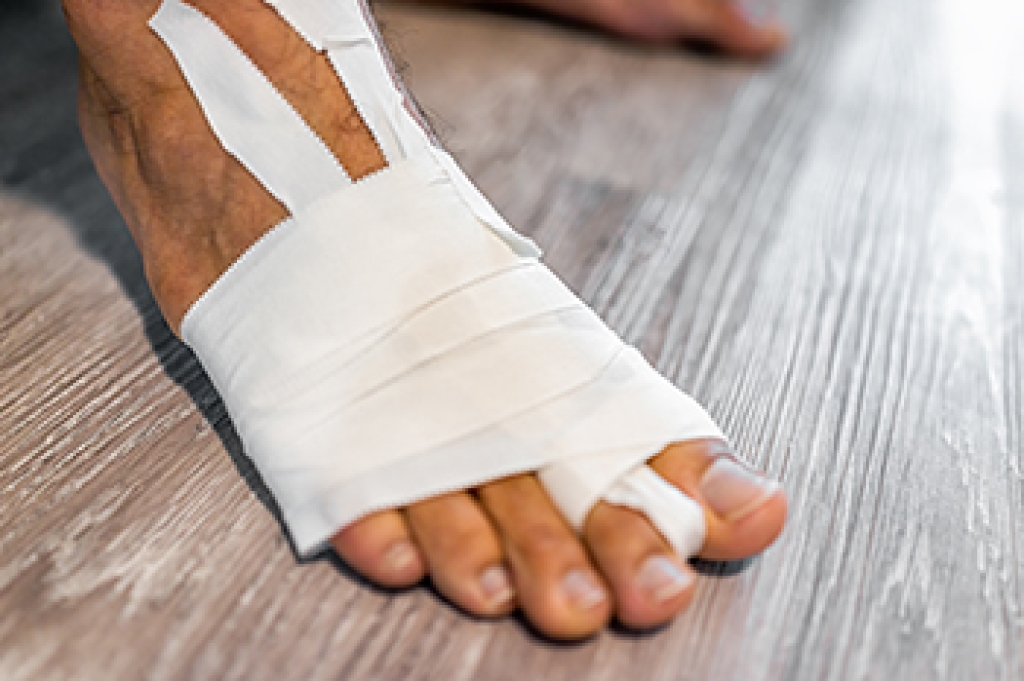
The best way to care for foot wounds is to prevent them. For diabetics, this means daily inspections of the feet for any signs of abnormalities or ulcers. It is also recommended to see a podiatrist several times a year for a foot inspection. If you do have an ulcer, run the wound under water to clear dirt from the wound; then apply antibiotic ointment to the wound and cover with a bandage. Bandages should be changed daily and keeping pressure off the wound is smart. It is advised to see a podiatrist, who can keep an eye on it.

If you have any questions please contact one of our offices located in Allentown, Easton, Northampton, and Chew Street in Allentown, PA . We offer the newest diagnostic and treatment technologies for all your foot and ankle needs.

Read more about Wound Care

When Sudden Joint Pain Signals Gout

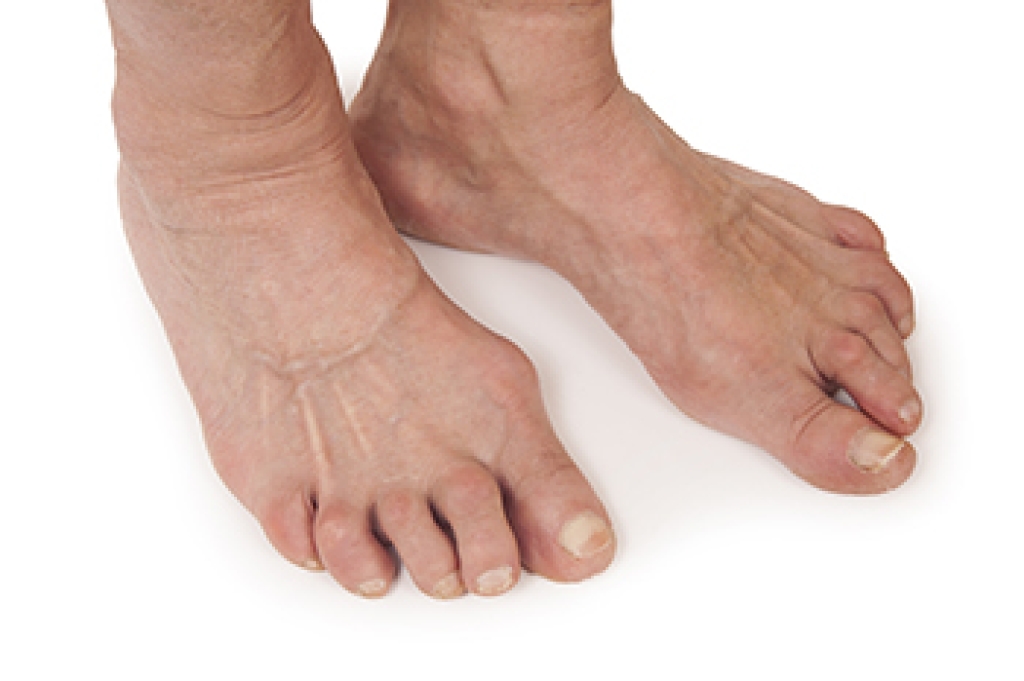
Gout is a form of inflammatory arthritis that often affects the foot, most commonly the joint at the base of the big toe. It develops when uric acid builds up in the bloodstream and forms sharp crystals within the joint. An attack may begin suddenly, often at night, with intense pain, swelling, redness, and warmth. The joint can appear shiny, swollen, and extremely tender to the touch. Even the weight of a bedsheet may feel unbearable. Risk factors include a diet high in red meat or seafood, alcohol intake, dehydration, certain medications, and underlying medical conditions. Without proper care, repeated attacks can lead to joint damage and chronic discomfort. A podiatrist can diagnose gout through clinical evaluation and imaging or laboratory testing when needed. Treatment may include anti-inflammatory medication, guidance on dietary changes, supportive footwear, and strategies to reduce future flare ups. If you have gout, it is suggested that you make an appointment with a podiatrist.

Gout is a foot condition that requires certain treatment and care. If you are seeking treatment, contact one of our podiatrists from PA Foot & Ankle Associates. Our doctors will treat your foot and ankle needs.

What Is Gout?

Gout is a type of arthritis caused by a buildup of uric acid in the bloodstream. It often develops in the foot, especially the big toe area, although it can manifest in other parts of the body as well. Gout can make walking and standing very painful and is especially common in diabetics and the obese.

People typically get gout because of a poor diet. Genetic predisposition is also a factor. The children of parents who have had gout frequently have a chance of developing it themselves.

Gout can easily be identified by redness and inflammation of the big toe and the surrounding areas of the foot. Other symptoms include extreme fatigue, joint pain, and running high fevers. Sometimes corticosteroid drugs can be prescribed to treat gout, but the best way to combat this disease is to get more exercise and eat a better diet.

If you have any questions, please feel free to contact one of our offices located in Allentown, Easton, Northampton, and Chew Street in Allentown, PA . We offer the newest diagnostic and treatment technologies for all your foot care needs.

Read more about Everything You Need to Know About Gout
scroll to top