When a Child Starts Limping

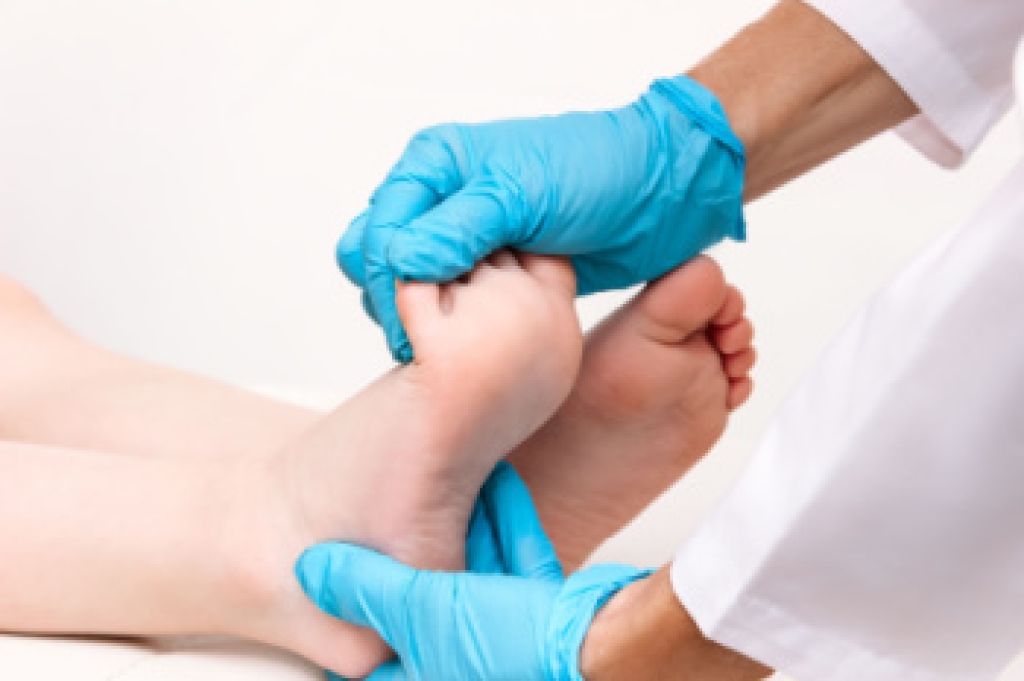
A limp in a child may appear suddenly or gradually, and while some causes are minor, others require prompt medical attention. Common reasons include minor injuries, muscle strain, or irritation from overly active play. However, more serious conditions such as infections, joint inflammation, hip disorders, or fractures must also be considered. In younger children, a condition called transient synovitis, or temporary hip inflammation, can cause limping without injury. A careful physical exam, medical history, and sometimes imaging tests are used to identify the underlying issue. Since children may not always describe their pain clearly, observing how they move and whether the limp worsens is important. Early evaluation helps ensure timely treatment and prevents complications. If your child develops a limp without a clear reason, or the limp is lasting or worsening, it is suggested you see a podiatrist for a diagnosis and appropriate treatment.

The health of a child’s feet is vital to their overall well-being. If you have any questions regarding foot health, contact one of our podiatrists of PA Foot & Ankle Associates. Our doctors can provide the care you need to keep you pain-free and on your feet.

Tips for Keeping Children's Feet Healthy

  • Make sure their shoes fit properly
  • Look for any signs of in-toeing or out-toeing
  • Check to see if they have Clubfoot (condition that affects your child’s foot and ankle, twisting the heel and toes inward) which is one of the most common nonmajor birth defects.
  • Lightly cover your baby’s feet (Tight covers may keep your baby from moving their feet freely, and could prevent normal development)
  • Allow your toddler to go shoeless (Shoes can be restricting for a young child’s foot)
  • Cut toenails straight across to avoid ingrown toenails
  • Keep your child’s foot clean and dry
  • Cover cuts and scrapes. Wash any scratches with soap and water and cover them with a bandage until they’ve healed.

If you have any questions, please feel free to contact one of our offices located in Allentown, Easton, Northampton, and Chew Street in Allentown, PA . We offer the newest diagnostic and treatment technologies for all your foot care needs.
Read more about How to Care for Your Child's Feet

Orthotics for Plantar Heel Pain

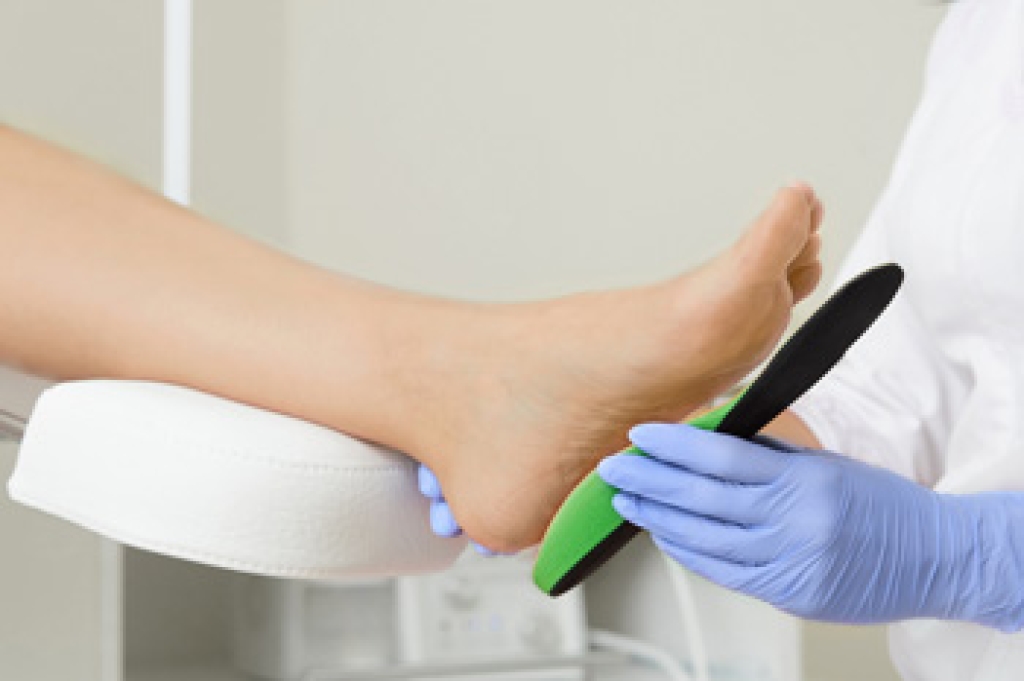
Foot orthotics may provide relief for adults suffering from heel pain, often caused by plantar fasciitis. This condition involves inflammation of the thick band of tissue that runs along the bottom of the foot, typically resulting in sharp pain near the heel, especially in the morning or after long periods of rest. Custom orthotics are designed to support the arch, reduce stress on the plantar fascia, and improve foot alignment. By redistributing pressure and limiting excessive motion, orthotics can help the inflamed tissue heal more effectively. Some patients experience reduced pain and improved function with regular use of orthotic devices. However, the success of orthotics varies depending on the individual and the underlying cause of the pain. If you are suffering from heel pain, it is suggested that you see a podiatrist for a proper diagnosis, treatment, and discussion of how custom foot orthotics might help you.

Custom orthotics play an important role in preventing and treating foot and ankle injuries by providing personalized support that aligns with the unique structure of each foot. These specially designed devices help correct biomechanical imbalances, reduce pressure on sensitive areas, and improve stability during movement. When the feet are properly supported, the risk of developing conditions such as plantar fasciitis, Achilles tendinitis, and ankle sprains can be significantly reduced. Custom orthotics also help relieve discomfort caused by having flat feet, high arches, or uneven leg length, which may contribute to recurring injuries or pain.

Foot and ankle injuries can develop gradually from repetitive strain or occur suddenly during physical activity. Without proper treatment, these injuries can affect mobility and overall quality of life. Orthotics work to redistribute weight evenly across the foot, allowing joints and muscles to function more efficiently. This not only supports recovery from injury but can also prevent future problems by promoting better posture and alignment throughout the lower body.

Unlike over-the-counter inserts, custom orthotics are designed based on a detailed evaluation of each patient’s foot structure, gait, and medical needs. Podiatrists use advanced imaging and diagnostic tools to create orthotics that fit precisely and provide targeted correction. Whether used in everyday footwear or athletic shoes, custom orthotics can improve comfort, enhance performance, and support long-term foot health.

If you are experiencing foot or ankle pain or have sustained an injury that has not improved with rest, it is suggested that you schedule an appointment with a podiatrist. Call our office for more information or to make an appointment.

If you have any questions, please feel free to contact one of our offices located in Allentown, Easton, Northampton, and Chew Street in Allentown, PA

Read more about Investing in Custom Orthotics Means Investing in Foot Health

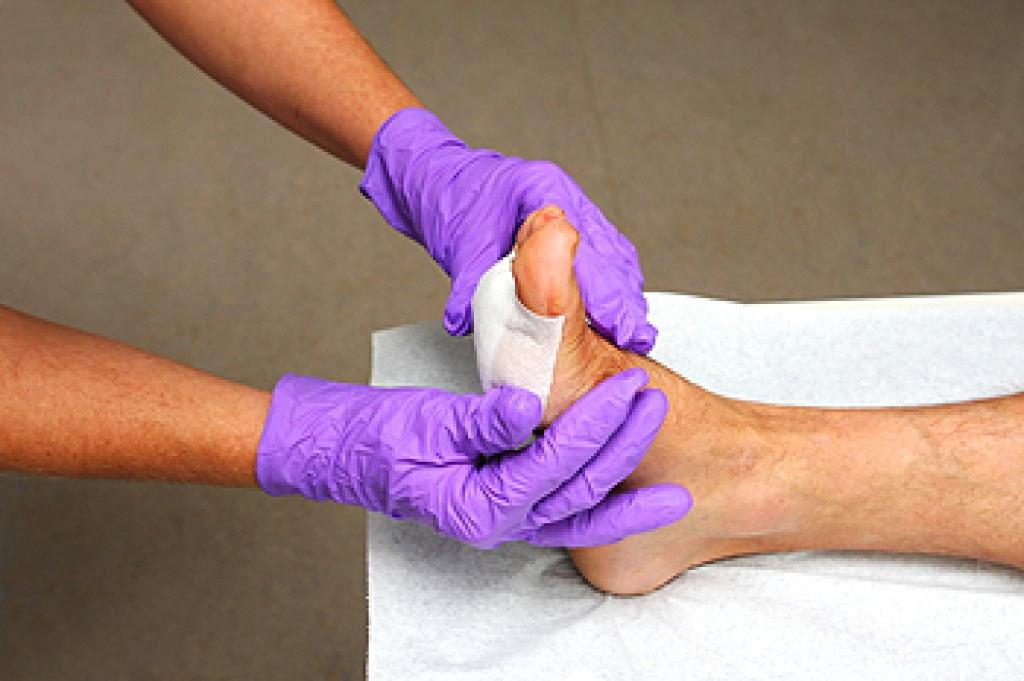
Foot Ulcers and Proper Wound Care

A foot ulcer is an open sore that usually forms on the bottom of the foot, often caused by pressure, friction, or injury. This condition is particularly common in people with diabetes or poor circulation, as high blood sugar and reduced blood flow can slow down the healing process. Foot ulcers can be painful, and if left untreated, they can become infected or worsen over time. Managing a foot ulcer requires careful wound care, including regular cleaning, applying the right dressings, and protecting the area from further injury. It is also important to manage underlying conditions like diabetes by keeping blood sugar levels under control. A podiatrist can help by providing antibiotics if an infection is present, recommending proper footwear, and advising on techniques to offload pressure from the affected area. These steps are key in promoting healing and preventing recurrence. If you have developed a foot ulcer, it is suggested that you make an appointment with a podiatrist for proper care and treatment.

Wound care is an important part in dealing with diabetes. If you have diabetes and a foot wound or would like more information about wound care for diabetics, consult with one of our podiatrists from PA Foot & Ankle Associates. Our doctors will assess your condition and provide you with quality foot and ankle treatment.

What Is Wound Care?

Wound care is the practice of taking proper care of a wound. This can range from the smallest to the largest of wounds. While everyone can benefit from proper wound care, it is much more important for diabetics. Diabetics often suffer from poor blood circulation which causes wounds to heal much slower than they would in a non-diabetic. 

What Is the Importance of Wound Care?

While it may not seem apparent with small ulcers on the foot, for diabetics, any size ulcer can become infected. Diabetics often also suffer from neuropathy, or nerve loss. This means they might not even feel when they have an ulcer on their foot. If the wound becomes severely infected, amputation may be necessary. Therefore, it is of the upmost importance to properly care for any and all foot wounds.

How to Care for Wounds

The best way to care for foot wounds is to prevent them. For diabetics, this means daily inspections of the feet for any signs of abnormalities or ulcers. It is also recommended to see a podiatrist several times a year for a foot inspection. If you do have an ulcer, run the wound under water to clear dirt from the wound; then apply antibiotic ointment to the wound and cover with a bandage. Bandages should be changed daily and keeping pressure off the wound is smart. It is advised to see a podiatrist, who can keep an eye on it.

If you have any questions please contact one of our offices located in Allentown, Easton, Northampton, and Chew Street in Allentown, PA . We offer the newest diagnostic and treatment technologies for all your foot and ankle needs.

Read more about Wound Care

Gout Pain Can Be Managed

Gout is a painful, inflammatory form of arthritis. Those affected will typically feel an intense stiffness in the joints of their feet, particularly in the big toe. Schedule a visit to learn about how gout can be managed and treated.

Pinky Toe Pain While Walking

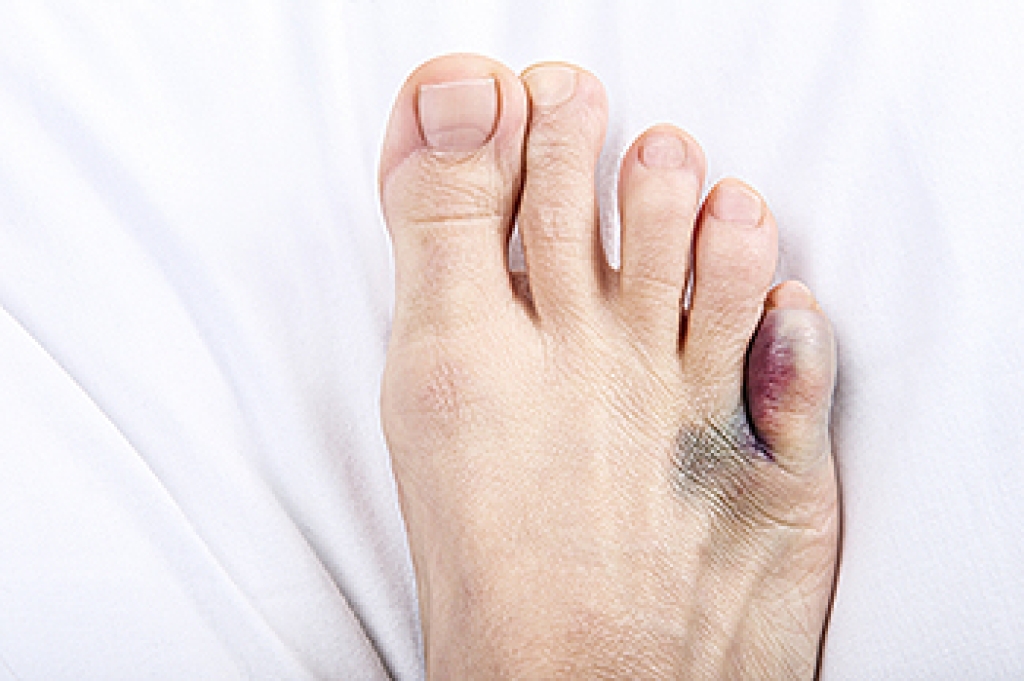
Pinky toe pain while walking can result from several underlying causes, each affecting comfort and mobility. Common reasons include wearing ill-fitting shoes that place pressure on the outer edge of the foot, leading to irritation or inflammation. Fractures, sprains, or dislocations from minor trauma may also cause sharp or persistent pain in the pinky toe. Other potential causes include bunions, corns, or nerve compression such as a pinched nerve. Symptoms often include tenderness, swelling, redness, or difficulty bearing weight on the affected foot. Some individuals may experience a throbbing or burning sensation, especially after extended periods of walking or standing. Having pinky toe pain may cause difficulty in completing daily activities. If this applies to you, it is suggested that you consult a podiatrist who can determine what the cause is, and offer appropriate treatment solutions.

Toe pain can disrupt your daily activities. If you have any concerns, contact one of our podiatrists of PA Foot & Ankle Associates. Our doctors can provide the care you need to keep you pain-free and on your feet.

What Causes Toe Pain?

Most severe toe pain is caused due to a sports injury, trauma from dropping something heavy on the toe, or bumping into something rigid. Other problems can develop over time for various reasons.

Toe pain can be caused by one or more ailments. The most common include:

  • Trauma
  • Sports injury
  • Wearing shoes that are too tight
  • Arthritis
  • Gout
  • Corns and calluses
  • Hammertoe
  • Bunions
  • Blisters
  • Ingrown toenails
  • Sprains
  • Fractures (broken bones)
  • Dislocations

When to See a Podiatrist

  • Severe pain
  • Persistent pain that lasts more than a week
  • Signs of infection
  • Continued swelling
  • Pain that prevents walking

Diagnosis

In many cases the cause of toe pain is obvious, but in others, a podiatrist may want to use more advanced methods to determine the problem. These can range from simple visual inspections and sensation tests to X-rays and MRI scans. Prior medical history, family medical history, and any recent physical traumatic events will all be taken into consideration for a proper diagnosis.

Treatment

Treatments for toe pain and injuries vary and may include shoe inserts, padding, taping, medicines, injections, and in some cases, surgery. If you believe that you have broken a toe, please see a podiatrist as soon as possible.

If you have any questions please contact one of our offices located in Allentown, Easton, Northampton, and Chew Street in Allentown, PA . We offer the newest diagnostic and treatment technologies for all your foot and ankle needs.

Read more about Toe Pain
scroll to top