Options Beyond Basic Care for Ingrown Toenails

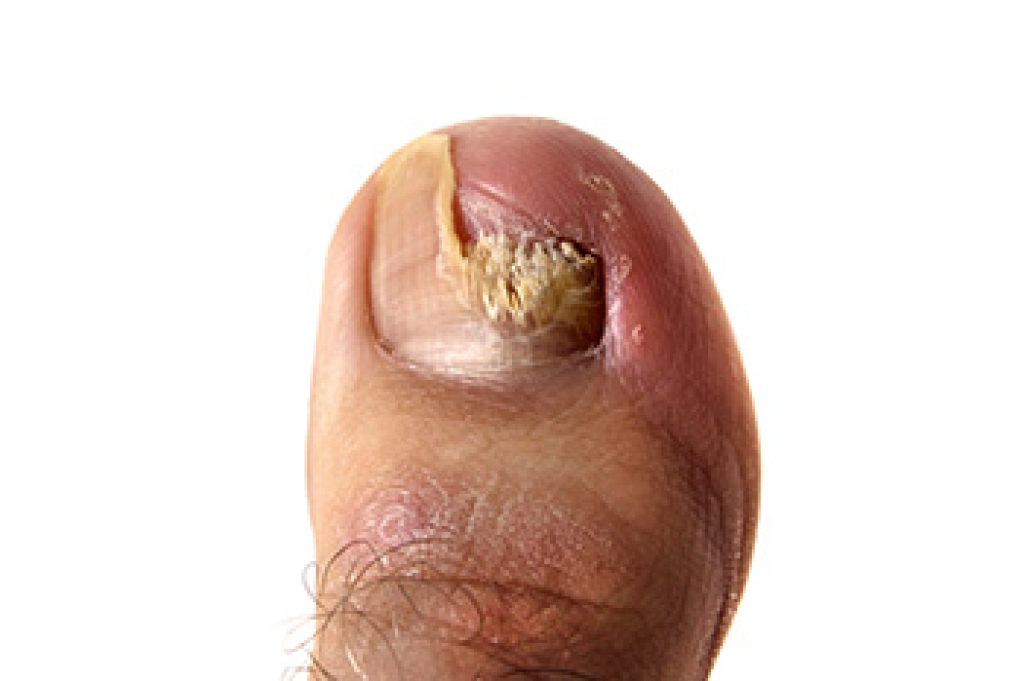
When an ingrown toenail keeps coming back or causes significant pain, treatment often moves beyond simple soaks and shoe changes. Partial nail avulsion is a common procedure where a podiatrist removes the offending edge to relieve pressure and allow the skin to heal. In some cases, a small amount of the nail root is treated with a chemical or laser to prevent regrowth in that section. For nails distorted by trauma or fungal infection, reconstructive techniques can restore a smoother edge and reduce future irritation. Persistent inflammation may be addressed with targeted medication to calm tissue and prevent infection. These approaches aim to correct the problem at its source rather than just relieve symptoms. If ingrown toenail discomfort, swelling, or infection continues despite initial care, a podiatrist can recommend the most effective option for lasting relief.

Ingrown toenails can become painful if they are not treated properly. For more information about ingrown toenails, contact one of our podiatrists of PA Foot & Ankle Associates. Our doctors can provide the care you need to keep you pain-free and on your feet.

Ingrown Toenails

Ingrown toenails occur when a toenail grows sideways into the bed of the nail, causing pain, swelling, and possibly infection.

Causes

  • Bacterial infections
  • Improper nail cutting such as cutting it too short or not straight across
  • Trauma to the toe, such as stubbing, which causes the nail to grow back irregularly
  • Ill-fitting shoes that bunch the toes too close together
  • Genetic predisposition

Prevention

Because ingrown toenails are not something found outside of shoe-wearing cultures, going barefoot as often as possible will decrease the likeliness of developing ingrown toenails. Wearing proper fitting shoes and using proper cutting techniques will also help decrease your risk of developing ingrown toenails.

Treatment

Ingrown toenails are a very treatable foot condition. In minor cases, soaking the affected area in salt or antibacterial soaps will not only help with the ingrown nail itself, but also help prevent any infections from occurring. In more severe cases, surgery is an option. In either case, speaking to your podiatrist about this condition will help you get a better understanding of specific treatment options that are right for you.

If you have any questions, please feel free to contact one of our offices located in Allentown, Easton, Northampton, and Chew Street in Allentown, PA . We offer the newest diagnostic and treatment technologies for all your foot care needs.

Read more about Ingrown Toenail Care

Custom Orthotics Seasonal - Any Season

Rain or shine, snow or sleet, Custom Orthotics have your feet covered! As the seasons change, ensure your steps remain comfortable and supported. Custom Orthotics adapt to your footwear, from summer sandals to winter boots, providing consistent relief and alignment. Don't let the changing weather dictate your foot comfort. Step confidently year-round and experience the difference with Custom Orthotics. Call today for more information.

It's Time for Beautiful Feet

You don't need an excuse to have beautiful nails. Step outside without worrying about the appearance of your feet.

Treatments for Nail Fungus

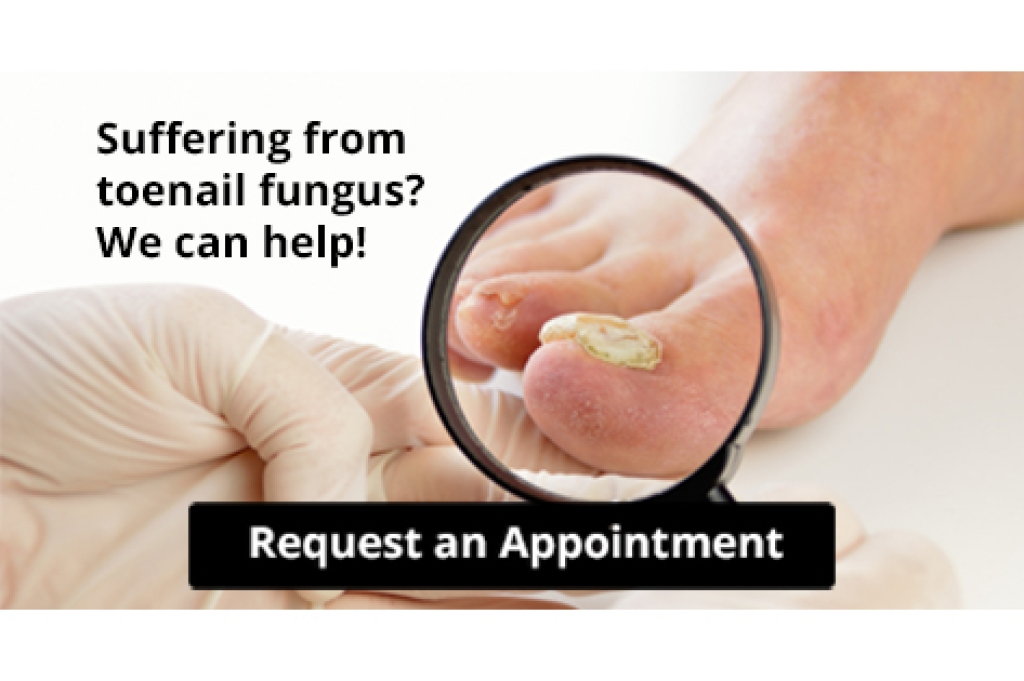
Dealing with toenail fungus can be more than just a cosmetic concern. It can affect your comfort and confidence. Symptoms often start subtly with discoloration, usually yellow or brown, and thickening of the nail. As the infection progresses, toenails may become brittle, crumbly, or even emit a foul odor. Beyond appearance, toenail fungus can cause discomfort. Nails might feel tender or sore, especially when wearing shoes or applying pressure. In severe cases, it can lead to difficulty walking or performing daily activities. Effective treatments range from mild antifungal creams to prescription medications or nail lacquers. Maintaining good foot hygiene, wearing breathable footwear, and avoiding shared pedicure tools can help prevent recurrence. If you have symptoms of toenail fungus, do not delay seeking professional advice. It is suggested that you schedule an appointment with a podiatrist who can accurately diagnose the infection and recommend the best course of treatment.

For more information about treatment, contact one of our podiatrists of PA Foot & Ankle Associates. Our doctors can provide the care you need to keep you pain-free and on your feet.

Toenail Fungus Treatment

Toenail fungus is a condition that affects many people and can be especially hard to get rid of. Fortunately, there are several methods to go about treating and avoiding it.

Antifungals & Deterrence

Oral antifungal medicine has been shown to be effective in many cases. It is important to consult with a podiatrist to determine the proper regiment for you, or potentially explore other options.

Applying foot powder on the feet and shoes helps keep the feet free of moisture and sweat.

Sandals or open toed shoes – Wearing these will allow air movement and help keep feet dry. They also expose your feet to light, which fungus cannot tolerate. Socks with moisture wicking material also help as well.

If you have any questions please contact one of our offices located in Allentown, Easton, Northampton, and Chew Street in Allentown, PA . We offer the newest diagnostic and treatment technologies for all your foot and ankle needs.

Read more about How to Treat Your Toenail Fungus

Custom Orthotics May Help Prevent Diabetic Foot Ulcers

People with diabetes face a higher risk of developing foot problems due to poor circulation and nerve damage. When the protective sensation in the feet is reduced, even a small area of pressure or rubbing can lead to skin breakdown. Left untreated, this may result in ulcers that are slow to heal and prone to infection. Custom orthotics are designed to reduce pressure points, support foot structure, and improve balance inside the shoe. They help cushion vulnerable areas and limit the friction that can lead to blisters or open sores. For individuals with altered foot shape or loss of feeling, these devices offer protection that over-the-counter inserts cannot match. Wearing custom orthotics as part of a broader foot care plan may help prevent ulcers before they start. If you have diabetes or changes in your foot health, it is suggested that you consult a podiatrist for evaluation and care.

Custom orthotics are often an effective solution for people experiencing heel pain, offering both comfort and correction for the underlying causes of discomfort. Heel pain commonly develops when the natural support of the foot becomes strained or imbalanced, leading to inflammation and irritation in the heel area. Conditions such as plantar fasciitis, heel spurs, or flat feet can all contribute to chronic heel pain that worsens with walking or standing. Custom orthotics are designed to fit the exact shape of your foot, providing the support and alignment necessary to reduce stress on the heel and surrounding tissues.

By redistributing pressure and improving overall foot mechanics, custom orthotics allow the heel to function more efficiently during movement. They cushion each step, absorb shock, and correct abnormal gait patterns that may be contributing to pain. Over time, this consistent support can ease inflammation, protect against re-injury, and enhance comfort during both daily and athletic activities.

Unlike prefabricated insoles, custom orthotics are created from a detailed evaluation that may include digital scans or molds of your feet. This ensures a precise and individualized fit that addresses your specific condition. They can be used in various types of footwear, from athletic shoes to dress styles, making them a versatile option for ongoing relief.

If heel pain is limiting your comfort or activity level, it is suggested that you call our office for more information or to schedule an appointment.

If you have any questions please contact one of our offices located in Allentown, Easton, Northampton, and Chew Street in Allentown, PA

Read more about Investing in Custom Orthotics Means Investing in Foot Health
scroll to top