


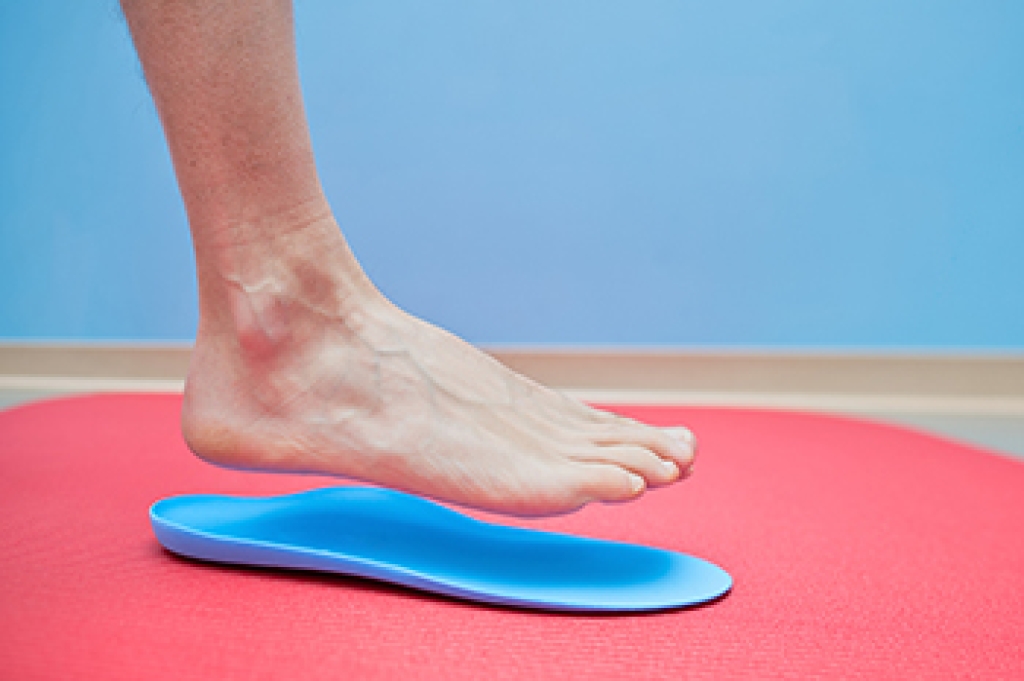
Orthotics are inserts placed inside shoes to support foot function and help relieve discomfort caused by certain foot problems. They are often recommended when the bones, joints, or supporting tissues of the feet are not functioning properly. This may lead to pain, fatigue, or difficulty walking comfortably. Conditions such as plantar fasciitis, bunions, and flat feet may contribute to the need for additional support. However, not everyone experiencing foot pain requires custom orthotics. Different types of inserts are available, and the most appropriate choice depends on the individual's foot structure and symptoms. Some orthotics provide cushioning, while others offer firmer support to improve how the feet function during movement. Understanding these differences is important when determining which type of orthotic may provide the greatest benefit.
There are three main categories of orthotics, each designed to address different needs. Over-the-counter orthotics are widely available and generally selected based on shoe size and the type of discomfort experienced. These inserts may provide relief for common problems such as heel pain or arch discomfort. Another option involves orthotics selected through a foot-scanning system, which recommends inserts based on foot measurements and specific concerns. Custom orthotics are individually designed using a detailed assessment and a mold or impression of the feet. They may be recommended for more complex problems, including severe flat feet or significant changes in foot structure. Orthotics also vary in flexibility and firmness depending on the support required. While standard inserts are often less expensive, custom devices may offer longer-lasting support for individuals with specific needs.
A podiatrist evaluates foot pain and determines whether orthotics are appropriate based on the underlying problem. During an examination, the podiatrist considers foot structure, activity level, and existing health concerns that may affect mobility. Footwear is also important because improperly fitted shoes may contribute to discomfort and interfere with normal foot function. When custom orthotics are needed, a podiatrist selects the appropriate materials and level of support for the individual's condition. Certain individuals, including those with diabetes-related nerve problems or poor circulation, may require specialized orthotics to reduce pressure on vulnerable areas. Others may benefit from standard inserts that provide sufficient support without requiring a custom design. The goal of podiatric care is to improve foot comfort and support healthy movement through appropriate treatment. If you are experiencing persistent foot pain or difficulty walking comfortably, it is suggested that you consult a podiatrist for an evaluation and appropriate orthotic treatment options.
If you are having discomfort in your feet and would like to try orthotics, contact one of our podiatrists from PA Foot & Ankle Associates. Our doctors can provide the care you need to keep you pain-free and on your feet.
What Are Orthotics?
Orthotics are inserts you can place into your shoes to help with a variety of foot problems such as flat feet or foot pain. Orthotics provide relief and comfort for minor foot and heel pain but can’t correct serious biomechanical problems in your feet.
Over-the-Counter Inserts
Orthotics come in a wide variety of over-the-counter inserts that are used to treat foot pain, heel pain, and minor problems. For example, arch supports can be inserted into your shoes to help correct overarched or flat feet, while gel insoles are often used because they provide comfort and relief from foot and heel pain by alleviating pressure.
Prescription Orthotics
If over-the-counter inserts don’t work for you or if you have a more severe foot concern, it is possible to have your podiatrist prescribe custom orthotics. These high-quality inserts are designed to treat problems such as abnormal motion, plantar fasciitis, and severe forms of heel pain. They can even be used to help patients suffering from diabetes by treating foot ulcers and painful calluses and are usually molded to your feet individually, which allows them to provide full support and comfort.
If you are experiencing minor to severe foot or heel pain, it’s recommended to speak with your podiatrist about the possibilities of using orthotics. A podiatrist can determine which type of orthotic is right for you and allow you to take the first steps towards being pain-free.
If you have any questions, please feel free to contact one of our offices located in Allentown, Easton, Northampton, Bath, and Chew Street in Allentown, PA . We offer the newest diagnostic and treatment technologies for all your foot care needs.
